
Strong Slabs Built for Vehicle Loading
Schedule Garage Floors in Lanesborough
You need a garage slab that supports vehicle weight, resists cracking from freeze-thaw cycles, and provides a smooth surface for tools and storage in Lanesborough. D Condron Construction Inc. installs reinforced concrete garage floors with removal of old slab when needed, subgrade prep, compacted base, vapor barrier, rebar or mesh reinforcement, and finishing with durability additives or sealers tailored to New England winters.
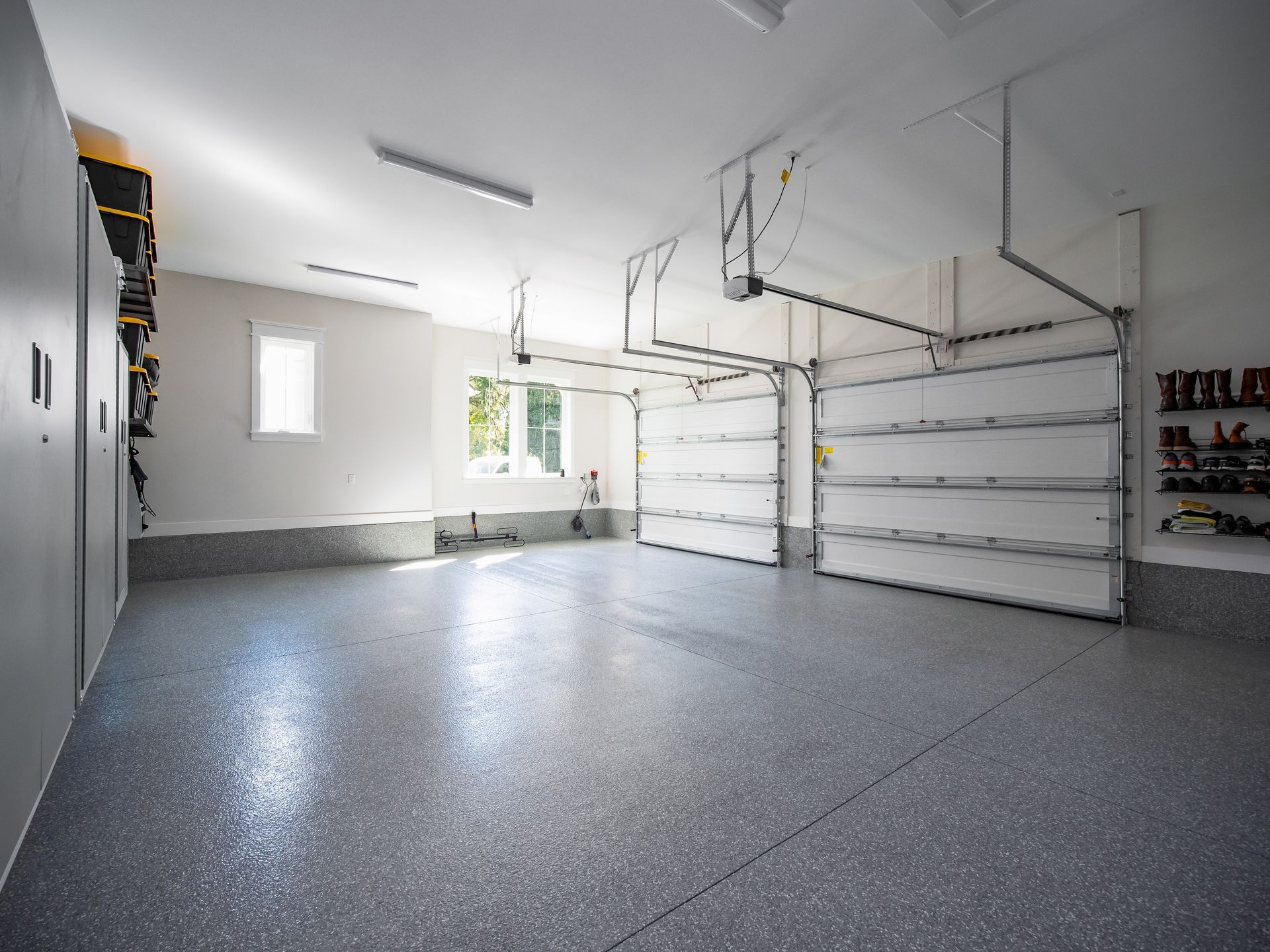
Our scope includes smooth trowel, broom, or epoxy-ready finishes, and we advise on joint layout to reduce future cracking. Work is tailored for freeze-thaw conditions: recommended joint spacing, concrete mixes with air entrainment, and curing methods that withstand vehicle salts and thermal stress. Perfect for homeowners upgrading from gravel or deteriorated slabs, and we integrate vehicle ramps and drainage as needed.
Book your garage floor inspection in Lanesborough and discuss slab thickness and reinforcement for your vehicle load.
Details That Matter Most
You receive a slab designed for the weight and tire pressure of your vehicles, whether passenger cars, light trucks, or classic restorations. We excavate to proper depth, place and compact a gravel base, install vapor barrier to prevent moisture migration, and position rebar or welded-wire mesh for crack control in Lanesborough.
D Condron Construction Inc. pours concrete with air-entrainment admixtures to resist scaling from winter salts and uses control joints at intervals that match slab dimensions and expected traffic patterns. Finishes available include smooth trowel, broom for traction, or epoxy-ready surface treated to accept coatings. We can also integrate vehicle ramps and drainage for sloped entries or wash-down areas.
Curing is managed with curing compounds or wet blankets to lock in strength, and we recommend sealing the surface after 28 days to extend lifespan and simplify cleaning. If your existing slab has failed, we remove debris, verify subgrade stability, and prepare the area for a new pour without gaps or voids.
What to Expect When You Book
These questions cover slab thickness, joint placement, sealer options, and project timelines for garage floor installations and replacements in residential and light commercial settings.
A properly reinforced and finished garage floor handles daily vehicle traffic, simplifies cleanup, and resists the thermal cycling and salt exposure common in New England. Request a free estimate to review slab thickness, reinforcement options, and finish choices that fit your garage use and budget.